
Local to Norfolk County
Rural and
acreage mortgages
Understand what a lender will look at on a rural property, from the acreage and outbuildings to the well and septic system. I’ll help you compare financing that suits the home you’re buying, your plans for the land and your budget, before you commit.
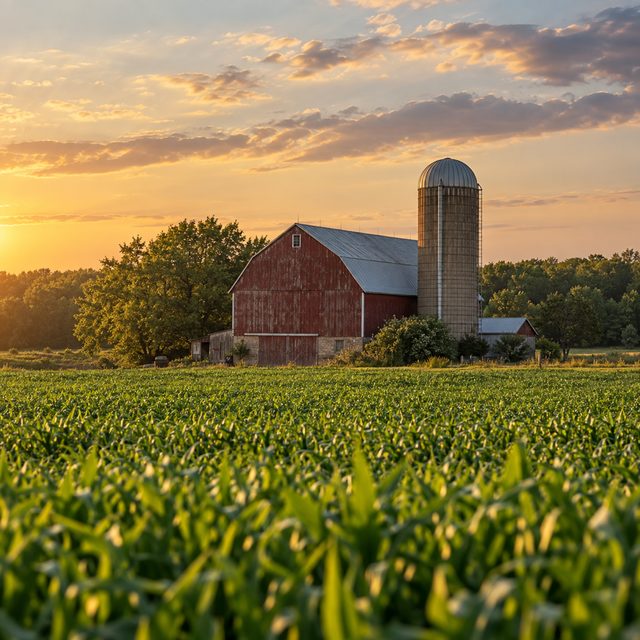
Check that the property qualifies too
A pre-approval shows how much you could borrow, but the lender still has to approve the home you choose. For a rural property, the lender may ask for extra documents, reports or assessments.
I’ll review the property details early and tell you what the lender may ask for. Before you decide whether to remove your financing condition, you’ll know what the lender has confirmed and what’s still outstanding.
Check the details that could affect approval

Acreage and outbuildings
Lenders often cap the value of extra land, barns and outbuildings. A lower value means a smaller mortgage and more cash to close, so you’ll see the numbers before you commit.
Well and septic systems
Homes on a well and septic system qualify for mortgages, though lenders often ask for water-quality results first. You’ll know what to arrange long before your financing deadline.
Road access and year-round use
Seasonal homes and private roads come with extra lender requirements. You’ll know early what the lender needs to confirm about access, maintenance and year-round living.
Zoning and property use
Farming, leased land or a business on the property affects which mortgage fits. You’ll know before you make an offer whether you need residential, agricultural or commercial financing.

Compare mortgages that suit the property and your budget
Lenders assess rural properties differently, so a home one lender won’t accept may still qualify with another. Whether you’re buying in Delhi, Simcoe, Port Dover or elsewhere in Norfolk County, I’ll look for suitable options among the lenders I work with.
Once we have options to look at:
- I’ll explain how the rates, payments, repayment periods and conditions compare, and we’ll weigh the property requirements against what you’re comfortable spending.
- Once you choose an option, I’ll help you prepare your application, gather the documents and follow up with the lender through to closing.
Rural and acreage mortgage questions
Can I get a regular mortgage on a rural property?
Yes. Most rural homes in Norfolk County qualify for a residential mortgage. The lender looks at the home, the acreage, the water and septic systems and how you plan to use the land, then decides how much of the property value it will finance.
How much land will a lender include in the value?
Many lenders count the house plus a set number of acres and leave the rest out. Barns, shops and other outbuildings often carry little or no value in their calculation. Ask me before you make an offer and I’ll tell you how the lenders I work with treat that specific property.
Do I need a bigger down payment for an acreage?
Sometimes. When a lender excludes part of the land or the outbuildings, your mortgage covers less of the purchase price and you cover the difference in cash. Knowing that number early keeps your offer realistic.
What does a lender want to see for a well and septic system?
Most lenders ask for a water-quality test, and some ask for a flow test or a septic inspection. I confirm the exact list for your lender as soon as you have a property in mind, so you book the testing in time to meet your financing deadline.
Does a private road or a seasonal home change anything?
Yes. Lenders want to know the road stays passable year round, who maintains it and whether the home works as a full-time residence. Properties that fall outside those conditions still get financed, though the lender list gets shorter.
My property has farmland or a business on it. Is that still a residential mortgage?
It depends on the zoning and the scale. A hobby farm usually stays residential. Working acreage, leased fields or a business operating on the property can push the purchase into agricultural or commercial financing, and I’ll tell you which one fits before you apply.
One lender turned down the property. Do I have other options?
Very likely. Lenders set their own rules on acreage, water, access and zoning, so a property that fails one set of guidelines often passes another. Send me the listing and the decline reason and I’ll check it against my other lenders.
When should I talk to you about a rural purchase?
Before you write an offer, if you can. A quick review of the listing tells us what the lender will question, what documents to line up and how long your financing condition needs to be.
Let’s talk about your rural home
You don’t need a property picked out to get in touch. Tell me what kind of place you’re looking for, and we can start there.
A first conversation costs nothing and commits you to nothing.