
Norfolk County closing costs: what to save beyond your down payment
What are closing costs? Simply put, these are all of the outstanding bills you need to pay in order to purchase your new home. That includes the land transfer tax, lawyer’s fees, title insurance, various adjustments and inspections, etc.
In Norfolk County, it can add up to several thousand dollars. And, since your mortgage doesn’t cover your closing costs, the majority of these expenses need to be paid in cash.
How much are they? When are they due? And, how do you calculate them yourself?
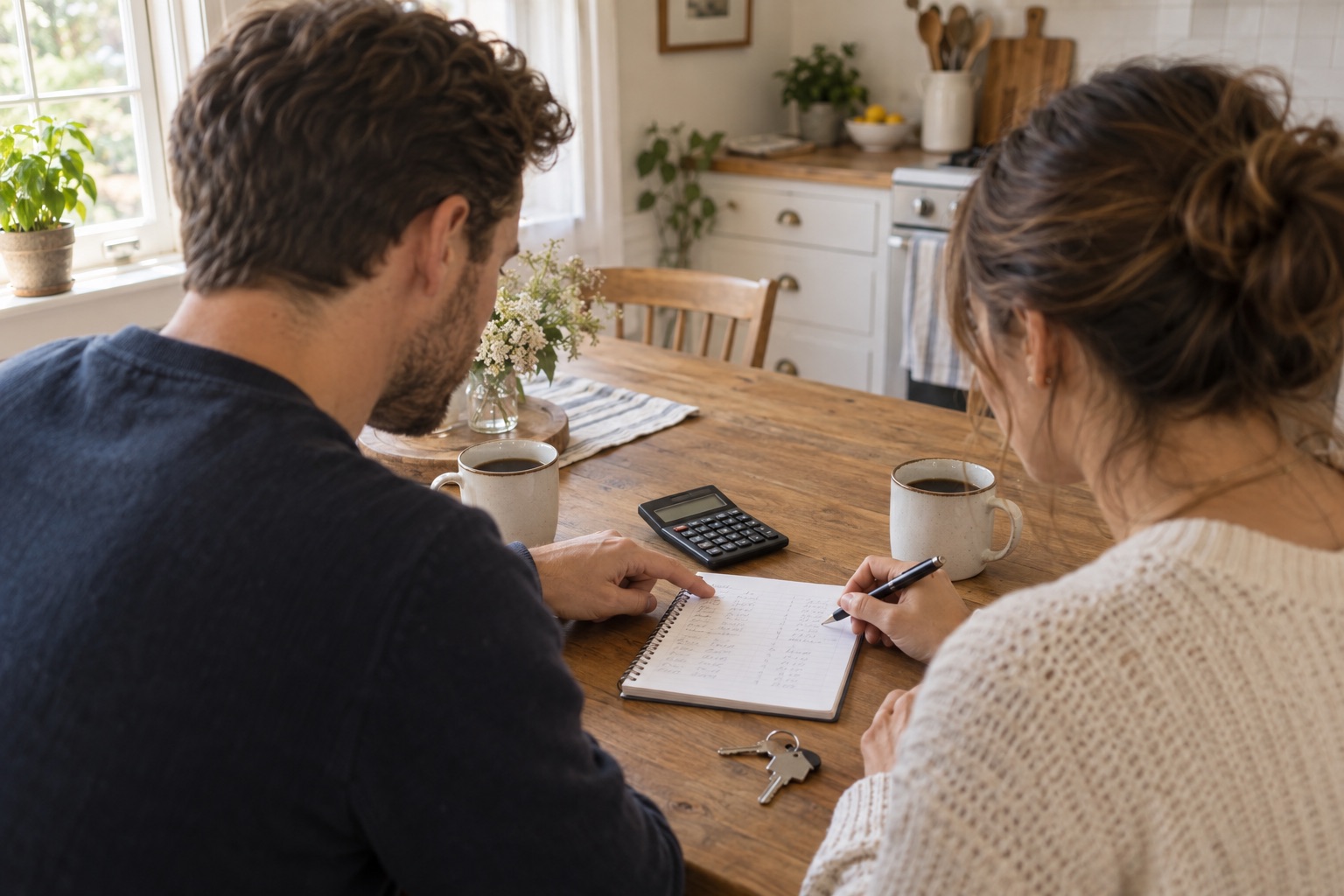
How much do you need, beyond your down payment?
It’s a few thousand dollars. It includes the province’s land transfer tax, tax on mortgage insurance and the fee you pay your lawyer.
Let’s crunch some numbers. Say you’re buying a $500,000 home in Norfolk County, and you’re paying the smallest allowable down payment of $25,000.
How much is the Land Transfer Tax on a $500,000 home in Norfolk County?
$6,475 but if you are a First Time Homebuyer you can get it all refunded so you will only pay $2,475.
The tax is calculated in a “step” fashion as follows:
- 0.5% on the first $55,000: $275
- 1% on the next $195,000: $1,950
- 1.5% on the next $150,000: $2,250
- 2% on the last $100,000: $2,000
There is a First Time Homebuyer Land Transfer Tax rebate of up to $4,000 which in effect covers the entire tax on the first $368,000 of a home. Since you are buying in Norfolk County, you will only pay the provincial land transfer tax. If you were buying a home in the City of Toronto, there would also be a municipal land transfer tax.
To qualify for the first time homebuyer rebate, you must have never owned a home (anywhere in the world!) and your spouse (if you have one) cannot have owned a home while they have been your spouse. You must be at least 18 years old, be a citizen of Canada or a permanent resident, and you must move into the home within 9 months of purchase. If you buy the home with one of your parents who already owns a home, you may be entitled to a partial rebate.
Always ask your lawyer at the outset of your purchase if they will be able to apply for the First Time Homebuyer Land Transfer Tax Rebate when your sale is registered. If they are not able to do this, you will have to pay the full $6,475 in taxes and then you will need to apply for the rebate from the province.
Why does a 5% down payment add another cash bill?
When you put less than 20% down on a home, you are required by mortgage lenders to purchase default insurance to protect them in the case that you default on your payments.
When putting 5% down, the Canada Mortgage and Housing Corporation (CMHC) charges 4% of your mortgage amount as the default insurance premium. On a $475,000 mortgage, this would be $19,000. This premium gets added onto your mortgage and you are required to pay interest on it.
You are also required to pay sales tax (8% in Ontario) on the default insurance premium in cash at closing. This cannot be added onto your mortgage. For this example, you would pay $1,520 in sales tax at closing.
| No refund | Full first-time refund | |
|---|---|---|
| Down payment | $25,000 | $25,000 |
| Land transfer tax | $6,475 | $2,475 |
| Tax on mortgage insurance | $1,520 | $1,520 |
| Cash needed so far | $32,995 | $28,995 |
So far, your closing costs are $7,995, or $3,995 with the full refund. Your lawyer and inspection come next.
What else ends up on your Norfolk County closing bill?
Here’s what the other bills typically cost in Ontario.
| Cost | Typical cost | When it’s due |
|---|---|---|
| Legal fees | $999 to $1,500 | At closing |
| Disbursements, title insurance and HST | $800 to $1,500 | At closing |
| Home inspection (detached home under 2,000 sq. ft.) | $450 to $600 | Before you firm up the deal |
| Septic inspection with pump-out | $400 to $600 | Before you firm up the deal |
| Appraisal, if the lender charges you | $250 to $350 | Before funding |
| Well water tests | Depends on which tests you book | Before you firm up the deal |
| Adjustments | Depends on your closing date | At closing |
| Home insurance | Your first premium | Before closing |
When you contact a lawyer to get a quote, it is a good idea to ask the question “what is not included in your quote?”. The lawyer will charge you disbursements which are costs they pay out to others on your behalf, and they will also charge HST on their fee and some of their disbursements.
Adjustments are payments that you will need to make to the seller for bills they have paid for that cover months that you will own the home (ex. property taxes).
The above subtotal (legal bill + inspection + 2 taxes) of around $10,244 to $11,595 (or $6,244 to $7,595 if you take the first time home buyer’s land transfer tax refund) does not include adjustments, home insurance, the appraisal charge and any checks you may want to get done if the home is in a rural area.
When do you actually need the money?
Offer accepted
- Deposit
Before firming up
- Home inspection
- Septic inspection
- Well water tests
At closing
- Down payment balance
- Land transfer tax
- Mortgage insurance tax
- Legal fees
- Adjustments
Paid directly: home insurance, appraisal
Not all at once, and not all on closing day.
You’ll need to have your deposit ready (whenever that date was in your agreement of purchase and sale; it’s part of your down payment). If you put $10K down as a deposit, you’ll need to have the other $15K (plus closing costs) ready for closing day. Check out this explanation from CMHC’s How to Buy a Home guide.
The rest of your down payment plus whatever your lawyer is paying on your behalf (land transfer taxes, lawyer fees, adjustments, etc) need to be transferred to your lawyer. Contact your lawyer to find out how much and when they need the money by. Make sure you give yourself enough time to transfer a large amount of money from your bank.
What can a rural Norfolk County home add?
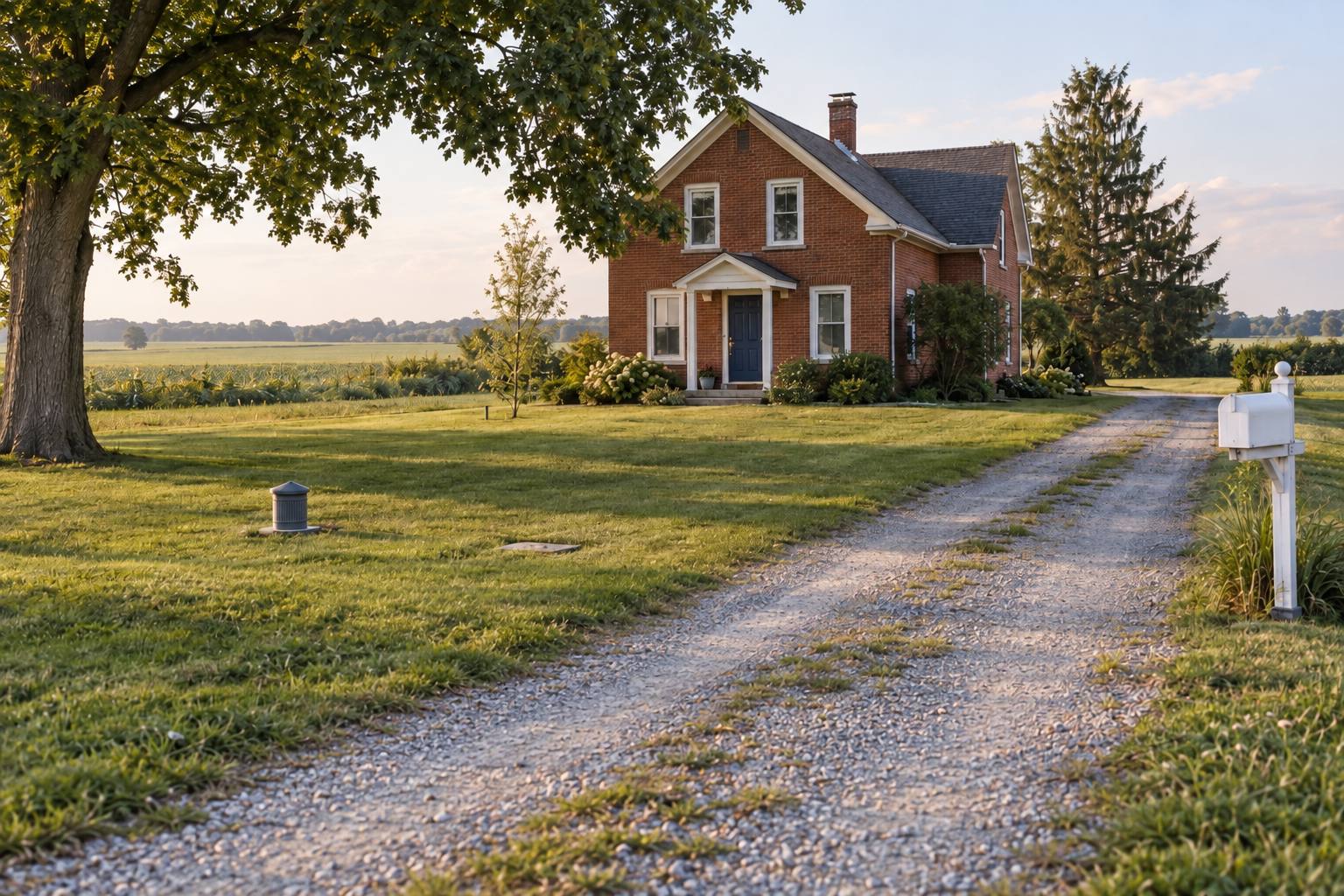
Buying a home on a well and septic instead of municipal water/sewer is exciting but there are a few extra things you need to think about.
- Is the water safe to drink?
- Is there enough water?
- How is the septic?
The Well Water Test that Public Health Ontario does only tests for Bacteria. You will need to have the water tested for chemicals separately. You will also need to have the water supply tested, and the Septic Tank tested.
Finally, don’t forget about the appraisal. The bank (or other lender) gives you your mortgage, but they follow the rules of the mortgage insurers. Rural homes can sometimes be difficult to appraise, and if it appraises lower than your offer price you will need to bring the difference to closing in cash.
I like to discuss financing for rural or acreage properties before you even put an offer in, that way if there is a problem you have time to sort it out during your conditions.
Know your number before you make an offer
Do you have to have a house picked out? No. I just need a price range that you are considering and how much you have saved up.
Just like when you purchase a home, I can help you figure out where you will be throughout the process of getting pre-approved. How much of your savings will be going towards your down payment, closing and how much you will be left with after you move in (Keep in mind FCAC always recommends having 3-6 months in an emergency fund).
Then you can decide if you want to look in that price range, look for a home that allows you to put more down or save up a bit longer.